Everything you need to know about wedding budget planning—a practical percentage breakdown for weddings under $200K.
When couples begin planning their wedding, one of the biggest questions they ask is: How should we actually divide the budget?
Whether your wedding budget is $50,000, $100,000, or $200,000, the most effective approach is to allocate your budget by percentages instead of fixed numbers. This keeps spending balanced and ensures that the most important elements of the day receive the right level of investment.
Below is a realistic wedding budget percentage breakdown for weddings under $200K based on what experienced planners typically recommend and vendors typically see.
Wedding Budget Percentage Breakdown
For weddings under $200,000, most budgets follow a similar structure because certain costs scale with guest count and overall experience.
| Category | Typical % of Budget | What This Includes |
|---|---|---|
| Venue + Catering + Bar | 40–50% | Venue rental, food service, alcohol, staffing, and basic rentals |
| Photography + Videography | 10–15% | Full wedding day coverage and storytelling documentation |
| Planner / Coordinator | 8–12% | Full-service planning or partial planning |
| Floral + Design | 8–10% | Bouquets, ceremony installations, centerpieces, design |
| Entertainment | 5–10% | Band, DJ, ceremony musicians |
| Attire + Beauty | 5–8% | Wedding dress, alterations, tux/suit, hair and makeup |
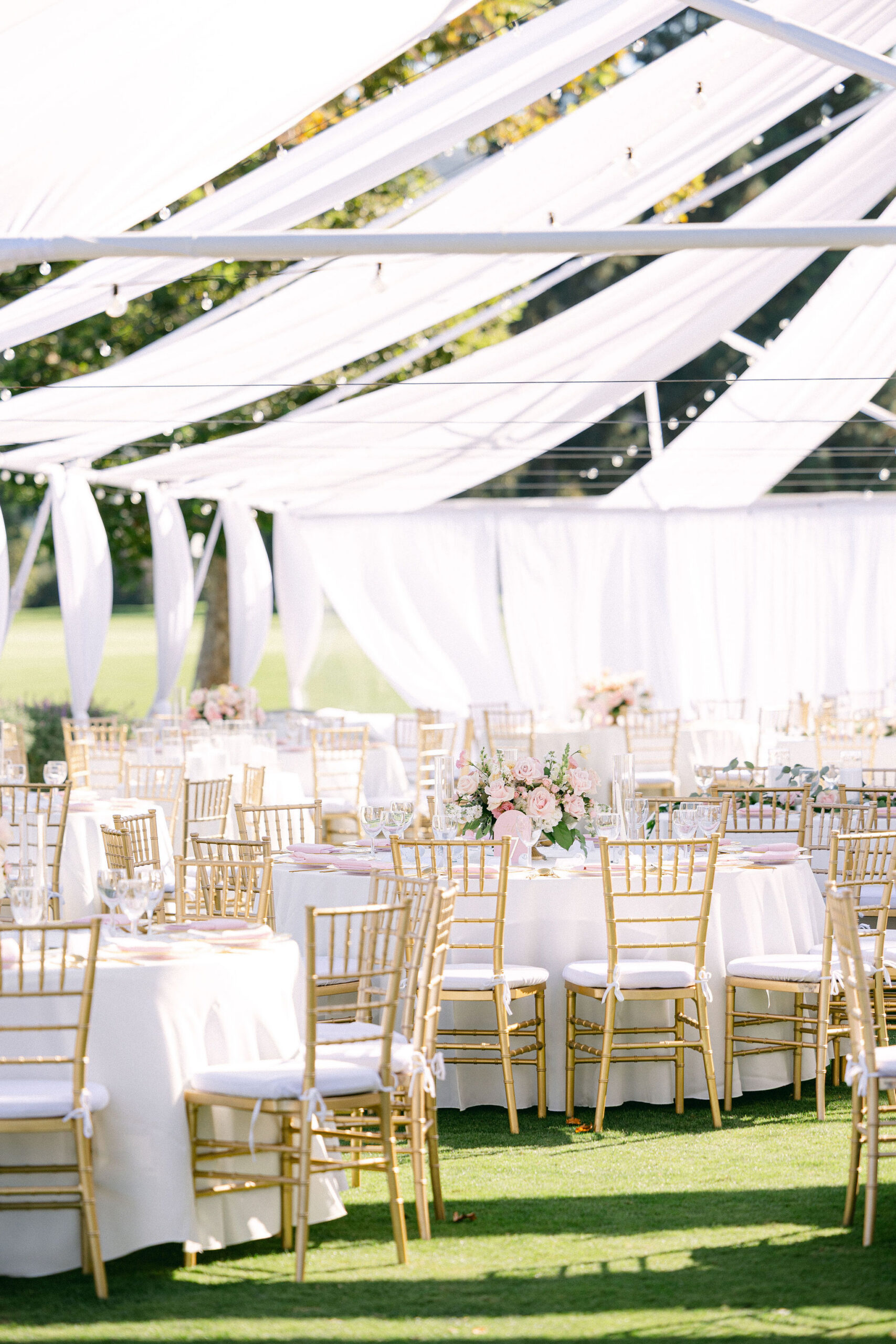
| Rentals + Décor | 5–8% | Specialty linens, lounge furniture, tableware |
| Stationery | 2–4% | Invitations, calligraphy, day-of paper goods |
| Cake + Desserts | 1–2% | Wedding cake or dessert displays |
| Transportation | 1–3% | Guest shuttles, getaway car |
| Favors + Gifts | 1–2% | Wedding party gifts or guest favors |
| Miscellaneous / Buffer | 3–5% | Unexpected expenses |
This wedding budget planning breakdown provides a framework that keeps your spending aligned with the overall experience you’re creating.
Why Venue, Catering, and Bar Take the Largest Share
In most wedding budget planning strategies, venue and catering naturally consume the largest percentage—often 40–50% of the total budget.
This category typically includes:
- Venue rental fees
- Food service for guests
- Bar service and alcohol
- Service staff and gratuities
- Basic rentals like tables, chairs, and linens
Because these costs are tied directly to guest count, they scale quickly as your guest list grows.
Why Photography and Videography Usually Receive 10–15%
Couples often underestimate how much should be allocated to photography and videography during wedding budget planning.
Most experienced planners recommend 10–15% of the overall wedding budget for photo and video coverage.
This investment ensures:
- Full-day documentation of the wedding story (and sometimes multiple days/events)
- Professional editing
- Backup equipment and systems
- Experienced photographers who can handle timelines, lighting changes, and unexpected moments
Photography and videography are also the only vendors whose work remains long after the wedding day, which is why they consistently represent a meaningful portion of the overall budget. Choosing the right photographer is one of the most important investments in your wedding budget.
The Growing Importance of Wedding Planners
Another key category in modern wedding budget planning is hiring a planner.
Most weddings under $200K allocate 8–12% toward planning services.
Full-service planners typically assist with:
- Budget management
- Vendor recommendations
- Design and styling
- Timeline creation
- Wedding day logistics
A strong planner often saves couples money in the long run by helping them avoid costly mistakes and negotiating with vendors. They are worth their weight in gold!
Floral Design and Guest Experience
Floral design and decor usually account for 8–10% of the budget, although this budget can vary greatly depending on the types of flowers chosen and the scale of the installations required.
This includes:
- Bridal bouquet and wedding party flowers
- Ceremony installations or arches
- Reception centerpieces
- Design elements that transform the space
When couples prioritize atmosphere and visual impact, floral design becomes one of the most noticeable components of the wedding experience.
Entertainment and Guest Experience
Entertainment typically falls between 5–10% of the total budget.
Depending on your priorities, this could include:
- Live band
- DJ
- Ceremony musicians
- Specialty performers
Great entertainment can significantly shape the energy and memory of the reception.
Smaller Categories in the Wedding Budget That Still Matter
Several smaller categories still play important roles in wedding budget planning, even though they represent smaller percentages.
These include:
- Stationery (2–4%) – invitations, save-the-dates, calligraphy, menus
- Cake and desserts (1–2%) – wedding cake or dessert stations
- Transportation (1–3%) – guest shuttles or getaway vehicles
- Favors and gifts (1–2%) – wedding party gifts or guest favors (although many couples are skipping these in 2026 and allocating that budget elsewhere)
While these costs are smaller individually, they can add up quickly if not accounted for early in the planning process.
Always Build a Budget Buffer
One of the most overlooked aspects of wedding budget planning is setting aside a contingency fund.
Most planners recommend reserving 3–5% of the total budget for unexpected expenses.
Common surprises include:
- Additional rentals
- Weather backup plans
- Overtime for vendors
- Last-minute guest count changes
A buffer prevents stress and keeps the planning process smooth.
Wedding Budget Planning Guide
The purpose of carefully planning a realistic wedding budget isn’t to restrict your vision—it’s to help you prioritize what matters most.
Every couple values different aspects of their wedding day. Some prioritize an incredible dining experience. Others prioritize photography, music, or design.
Using percentages simply ensures that the overall budget stays balanced while allowing flexibility to shift priorities where it matters most to you.
When couples start with a thoughtful wedding budget breakdown, the planning process becomes clearer, more intentional, and far less overwhelming.
FAQ: Wedding Budget Planning
What percentage of a wedding budget should go to the venue?
Most weddings allocate 40–50% of the budget to venue, catering, and bar service.
How much should photography cost for a wedding?
Photography and videography typically account for 10–15% of the total wedding budget.
What is a realistic wedding budget?
Many couples planning full-service weddings spend $50,000 to $200,000, depending on guest count and location.
Should you hire a wedding planner?
Most couples allocate 8–12% of their budget toward a wedding planner to help manage vendors, design, and logistics.
If you’re currently planning a wedding and want photography that documents the full story of your wedding weekend, you can reach out here. And if you’re looking for a wedding planner, reach out! I work with some of the best in the industry, and I’m happy to give you my top recommendations based on your needs and personality fit.
How to Choose a Wedding Photographer
If you’re wondering how to choose a wedding photographer, you’re not alone.
Pretty photos are easy to find.
But choosing the right photographer? That requires discernment.
Here’s what actually matters.